Top 5 Highest‑Scoring Species
ZoonoIntel highlights mammal species whose ecological and biological traits resemble known virus reservoirs. These species score highly on the Sentinel Score, a trait‑based signal of reservoir potential, not a prediction of danger or spillover.
Red Fox (Vulpes vulpes)
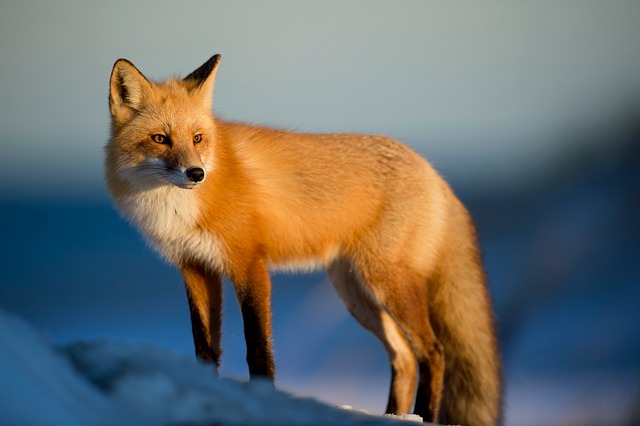
Red foxes are among the most widely distributed carnivores on Earth, thriving in environments ranging from dense forests and tundra to farmland, suburbs, and major cities. Their omnivorous diet, high behavioral flexibility, and ability to exploit human‑modified landscapes make them remarkably successful generalists. Fun fact: Red foxes use a unique pounce technique to hunt, leaping high into the air and diving headfirst, and they are more accurate when facing north due to a magnetic alignment behavior.
Brown Bear (Ursus arctos)
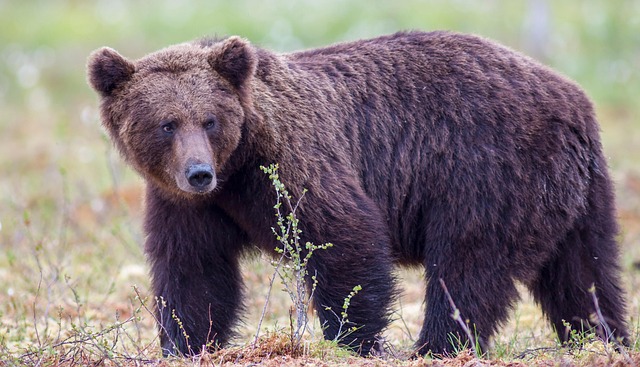
Brown bears are powerful omnivores with enormous home ranges and complex seasonal behaviors. They occupy habitats from alpine meadows to coastal forests and can shift diets dramatically depending on food availability. Fun fact: Brown bears can smell food from more than 18 miles away, making their sense of smell one of the strongest of any land mammal.
Leopard (Panthera pardus)
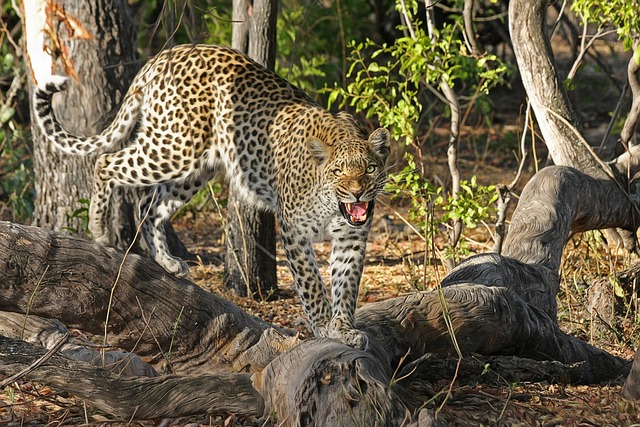
Leopards are stealthy, adaptable predators capable of living in rainforests, savannas, mountains, and even near villages and cities. Their solitary nature and ability to hunt over 90 prey species highlight their ecological flexibility. Fun fact: Leopards can haul prey heavier than themselves up trees to avoid scavengers.
Grey Wolf (Canis lupus)
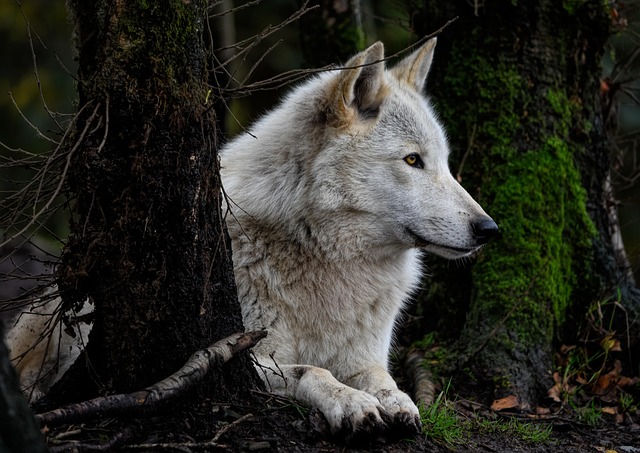
Grey wolves are highly social carnivores that form complex pack structures and travel long distances across forests, tundra, grasslands, and mountains. Fun fact: Wolves can communicate using over a dozen vocalizations, including howls that can travel up to 10 miles across open terrain.
Coyote (Canis latrans)
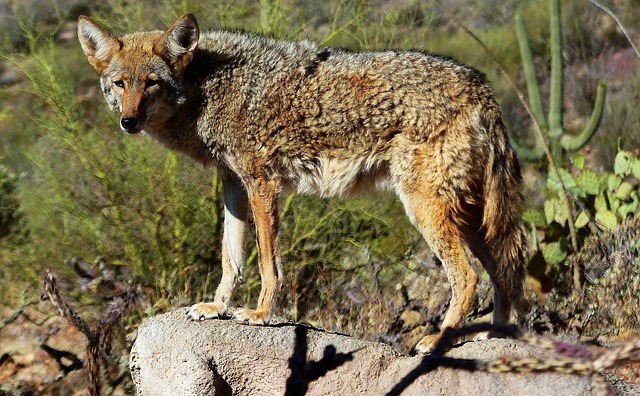
Coyotes are exceptional survivors, thriving in deserts, prairies, forests, and increasingly in suburban and urban environments. Fun fact: Coyotes can run up to 40 mph, making them faster than most domestic dogs.
This section provides a snapshot of how ZoonoIntel interprets mammalian traits to highlight species with reservoir‑like profiles. Additional species and insights may be added as the project evolves.